LED Light Bulbs For Your Garage Door Opener (Bright, Safe, and Remote-Friendly)
.jpg)
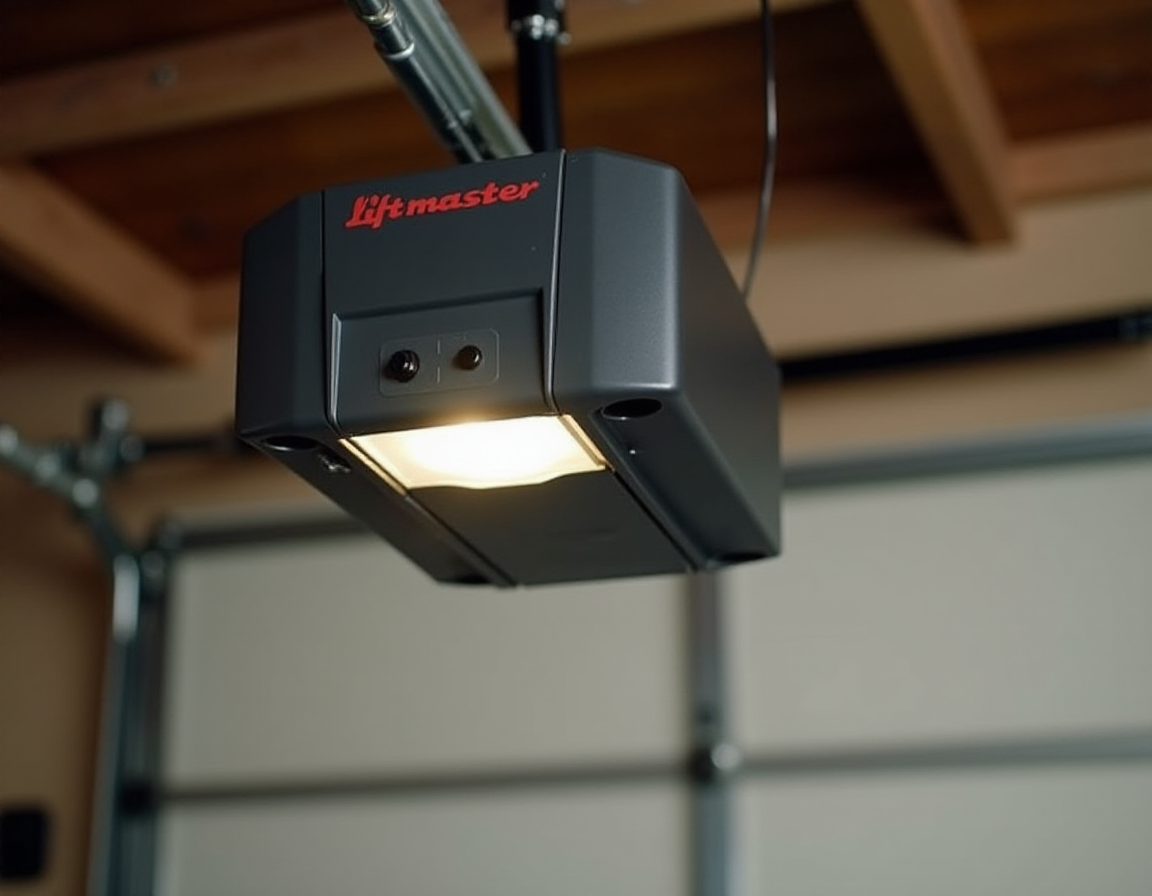
LED Light Bulbs For Your Garage Door Opener (Bright, Safe, and Remote-Friendly)
Picture this. You pull into the driveway at night, tap the remote, and nothing happens until you creep right up to the door. Inside, the light is dim, yellow, and the bulb seems to burn out every few months. It feels annoying, and it also feels a little unsafe.
Many people swap to LED light bulbs for your garage door opener and expect everything to improve overnight. Then the opener remote starts acting up, or the light flickers, or the bulb dies far sooner than promised. The problem is simple. Not every LED bulb belongs inside a garage door opener.
Garage openers are hard on bulbs. There is vibration, temperature swings, and radio signals flying around. The wrong LED can interfere with your remote or fail early. The right one can give you a bright, clean, reliable light for years.
By the end of this guide, you will know exactly how to pick safe, bright, long-lasting garage door opener LED bulbs that will not mess with your remote and will make your garage feel nicer and safer to walk into.
Why Your Garage Door Opener Needs Special LED Light Bulbs

A garage door opener looks like a simple place to put a light bulb, but it is much tougher than a basic lamp in your living room. The motor kicks on several times a day. Every time that happens, the whole unit shakes. On top of that, the bulb is often mounted right next to the motor and electronics.
Regular LED bulbs are designed mainly for quiet, steady indoor fixtures. Many of them are not built to handle constant vibration, cold air in winter, hot air in summer, or damp conditions. When you put those bulbs in a garage opener, they can flicker, fail early, or create electrical noise that reaches the opener’s radio system.
That radio system is what listens for your remote. Most openers use frequencies in the 288 to 360 MHz range. Many standard LED bulbs throw off radio noise in the wider 30 to 300 MHz range. When those overlap, your opener gets confused. It is like trying to hear a friend in a room full of loud static.
The result can be a remote that only works when you are right under the door, a door that seems to ignore your click, or a remote that works fine one day and acts stubborn the next. Special garage door opener LED bulbs solve that by reducing radio noise, handling vibration, and staying stable in rough garage conditions.
The Problem With Regular LED Bulbs and Remote Interference
Inside every LED bulb, there is a small driver circuit that turns household power into low-voltage power for the LEDs. In many cheap bulbs, that circuit gives off radio frequency noise. That noise can sit anywhere between about 30 and 300 MHz, which is the same general neighborhood as many opener remotes, often 288 to 360 MHz.
In real life, that looks like this. You pull into the street, press the button, and nothing happens. You inch closer to the driveway, press again, and maybe the door moves a little, then stops. Sometimes it works, sometimes it feels random. In rare cases, the door may even open or close when you did not mean to, because the opener only catches part of the signal.
Most people blame the remote battery, the opener, or even “bad wiring.” The real problem is often the LED bulb inside the opener fixture. That bulb is sitting only a few inches from the opener’s antenna. It is loud in radio terms, and your remote does not stand a chance from farther away.
This is exactly why “garage door opener LED bulbs” exist as a special product. These bulbs are designed with low RF (radio frequency) interference. Their electronics are quieter, so they do not crowd the same 288 to 360 MHz band your opener needs. Your remote signal comes through clean, and the door responds like it should.
Heat, Vibration, and Cold: Why Your Garage Needs Tough LED Bulbs
Garage door openers shake every time the door moves. That vibration travels directly into the bulb socket. Over time, that can crack solder joints, loosen internal parts, or damage the base of a regular LED bulb.
Garages also swing from very cold winters to hot, stuffy summers, often in the same day. Some are damp or even a bit humid. Standard indoor bulbs are not always rated for those conditions.
Garage-opener-rated LED bulbs are different. They use vibration-resistant parts and a shatter-resistant shell, so they can handle constant movement. Many are tested to around negative 20 to negative 30 degrees Fahrenheit and carry a damp-location rating. That means they will start quickly in the cold and will not mind a bit of moisture in the air.
The payoff is simple. Fewer burned-out bulbs, less flicker, and fewer trips up the ladder. You get better safety when you step out of the car, and you reduce the risk of changing bulbs while standing on a stool in a crowded garage.
How to Choose the Best LED Light Bulbs for Your Garage Door Opener
Choosing LED light bulbs for your garage door opener is not about grabbing the cheapest two-pack on the shelf. You are picking a small piece of gear that affects both light and remote performance.
Focus on a few key features: low RF interference, tough construction, the right brightness, and a color tone that fits how you use the space. Then match the bulb to your opener brand and wattage limit.
Must-Have Features for Garage Door Opener LED Bulbs
Look for words like “garage door opener LED,” “low RF,” or “remote-friendly” on the box. This is your first hint that the bulb is tuned for quiet radio performance.
A good garage opener bulb will have vibration-resistant construction, often rated for high G-force shaking. A shatter-resistant housing is another plus, since bulbs sit overhead and can crack if the opener jolts or if something bumps the unit.
Cold-weather rating matters if your garage drops below freezing. Many of the better bulbs are tested to around negative 20 degrees Fahrenheit and are also rated for damp locations. That keeps performance steady on cold mornings and humid nights.
Most opener fixtures are not made for dimming, smart features, or color-changing effects. Choose non-dimmable bulbs. Stick to standard A19 shape with an E26 base, and pick bulbs that say they are compatible with Chamberlain, LiftMaster, Genie, Craftsman, and other major brands. These features protect both the opener parts and your remote range.
How Bright Should Garage Door Opener LED Bulbs Be?
Brightness is measured in lumens. You can think of lumens as “total light.” A classic 60-watt incandescent bulb gives off around 800 lumens.
For most attached one-car or two-car garages, about 700 to 900 lumens per opener bulb works well. That is roughly a 60-watt equivalent LED. It gives you enough light to park, unload groceries, and find tools without feeling like a warehouse.
Brighter is not always better. If you go too bright, you may create glare on shiny car surfaces, which can make it harder to see. You also must respect your opener’s wattage rating. Even though LEDs use less power, the opener housing and wiring are designed for a certain maximum.
Check your opener manual or label for the maximum bulb watts. Then pick an LED bulb that stays at or under that number but still delivers strong lumen output. For many openers, a 9 or 10 watt LED at around 800 lumens hits the sweet spot.
Color Temperature and Light Quality: Soft White vs Daylight
Color temperature describes how “warm” or “cool” the light feels, measured in Kelvin (K).
Soft white around 2700K feels warm and cozy, like a living room lamp. It can be nice if your garage doubles as a hangout space or laundry area, but it can sometimes feel a bit dim for detail work.
Neutral white around 3000K to 4000K is a great middle ground. It looks clear and bright without feeling harsh. For most people, this is the best choice for a general-use garage. It makes it easier to see steps, shelves, and boxes.
Cool daylight at 5000K and up looks very crisp and blue-white. It is great for detail tasks, like working on engines or small projects, but some people find it hard on the eyes at night.
For a typical home, a neutral 3000K to 4000K bulb in the opener gives bright, clean light that helps with parking and makes finding tools faster, without turning the space into an interrogation room.
Brand-Name LED Garage Bulbs That Actually Work
Several major brands now sell bulbs that are built specifically for garage door openers.
Genie GLEDB2 is a strong choice. It puts out about 800 lumens while using around 9 to 10 watts, in a neutral 4000K color. It is designed to reduce RF interference, is rated for up to 5G vibration, works in cold garages down to around negative 20 degrees Fahrenheit, and is shatter-resistant with a long life of about 25,000 hours.
LiftMaster LMLED1 is very similar. It also delivers around 800 lumens at about 10 watts, in a 4000K tone. It is made to cut remote interference and pairs well with LiftMaster and Chamberlain openers, but it also works with other brands. It is vibration-resistant, cold-rated, and built for damp garages.
GE garage door opener LED bulbs such as the GE LED60GDO offer about 800 lumens at 9 to 10 watts, with a neutral 4000K color. They are designed to lower RF noise and handle normal opener vibration and cold down to around negative 10 to negative 20 degrees Fahrenheit. Many users see them as a strong value, though some say Genie or LiftMaster feel a bit more rugged.
Here is a quick comparison for easy scanning:
| Bulb Model | Lumens | Watts | Color Temp | RF Interference Focus | Vibration Rating | Cold Rating | Approx. Life |
|---|---|---|---|---|---|---|---|
| Genie GLEDB2 | 800 | 9–10 | 4000K | Very low | High (up to 5G) | to -20°F | 25,000 hours |
| LiftMaster LMLED1 | 800 | 10 | 4000K | Very low | High (about 5G) | to -20°F | 25,000 hours |
| GE LED60GDO | 800 | 9–10 | 4000K | Low | Standard garage | to -20°F | 25,000 hours |
Whatever brand you choose, look for the words “garage door opener LED,” “low RF,” or similar language on the package. That tells you the bulb was built with your remote in mind.
Quick Safety and Installation Tips for LED Garage Door Opener Bulbs
You do not need a pro to change opener bulbs, but a few smart steps can keep you safe and protect the opener.
Take a minute to read the opener’s limits, pick the right bulb style, then install and test the new bulb while watching how the remote behaves from the driveway and street.
Check Your Garage Door Opener’s Limits Before You Buy
Before you shop, find the label or sticker on your opener, or open the manual or manufacturer’s website. Look for:
- Maximum bulb wattage
- Allowed bulb types (for example, “A19, non-dimmable”)
- Any notes about LED use
Even though LEDs use less power, you still must respect that watt limit. It is there for heat and safety, not just electricity use.
Skip smart bulbs, Wi‑Fi bulbs, color-changing bulbs, and most dimmable bulbs inside an opener. Their extra electronics can create more RF noise and are usually not rated for high vibration. Save those for lamps and ceiling fixtures, not the motor box that lifts your garage door.
If your opener is older, it may simply say “60W max incandescent.” In that case, a 9 or 10 watt garage-rated LED at about 800 lumens is usually a safe, strong upgrade.
Simple Steps to Install and Test Your New LED Bulbs
Start by cutting power to the opener. You can unplug it or switch off the circuit breaker. This keeps you safe from shocks and prevents the opener from moving while your hand is near it.
Give the old bulb a minute to cool, then remove it. Install the new LED bulb snugly, but do not crank it down. A gentle but firm twist is enough. Make sure your ladder or step stool is stable, and keep fingers away from any moving parts like belts or chains.
Restore power, then test the opener light. Open and close the door once or twice and watch for flicker or strange behavior. After that, walk to the street and try the remote from your usual approach. Work your way closer if needed.
If the remote range is just as good or better than before, you picked a winning bulb. If the range drops or the signal feels spotty, swap to a bulb that is rated for low RF use with garage door openers.
Cost, Savings, and When to Upgrade Your Garage Door Opener Lights
Good garage door opener LED bulbs cost more than generic LEDs, but they pay you back in energy savings, long life, and less hassle. At some point, you might also decide the small opener light is not enough and add extra lighting.
Start with the bulb itself, then think about how you actually use the garage.
How LED Garage Bulbs Save Money and Cut Hassle
A typical garage-rated LED opener bulb uses about 9 to 10 watts and can last up to 25,000 hours. At around 3 hours per day, that is roughly 20 years of use. At normal power rates, you are looking at about 1 to 1.20 dollars per year in energy cost.
Compare that to a 60-watt incandescent that might last only 1,000 hours. You would be changing it every year or so and paying about six times the energy cost for the same light.
Over time, that small difference adds up. You spend a few extra dollars upfront, but you gain years of bright, reliable light. You also avoid late-night ladder climbs after a bulb pops, and you reduce the risk of stepping into a dark, cluttered garage.
When You Need More Than Just a New LED Bulb
The opener light is great for basic tasks, like getting in and out of the garage safely. It is not always enough for serious work, like tuning an engine, building shelves, or running a hobby bench.
If your garage still feels gloomy after you install a good opener bulb, consider adding separate LED shop lights on the ceiling or wall fixtures along the sides. Put these on their own circuit or switch, not on the opener.
Think of the opener bulb as your welcome light, the one that pops on when the door moves. Extra fixtures are your work lights, the ones you turn on when you are staying in the garage for a while. Together, they create a bright, safe, and organized space instead of a single dim pool of light near the door.
Conclusion
Regular LED bulbs can quietly ruin your remote range, while garage-rated LED bulbs give you bright, clean light and a door that responds from the driveway. The key is to look for low RF interference, vibration-resistant and cold-rated construction, about 800 lumens of brightness, and a color tone around 3000K to 4000K for clear but comfortable light.
Check your opener’s watt limit, choose a non-dimmable, garage-opener-safe LED, and follow a simple install and test process. If the remote still works well from the street, you are set.
Take a minute this week to look up at your opener and see what bulb is in there now. Swap it for a true garage door opener LED bulb, enjoy a brighter and safer garage, and get your remote working the way it should every time you pull into the driveway.
About Aubrey Love
Aubrey is a web developer, author, and blogger with over 15 years of experience in web development and 10 years as a blogger. He specializes in responsive and interactive web pages, databases (SQL Server), and professional writing. He has a B.E.E. degree in Electrical Engineering and holds several certificates in SQL Server Database Administration, HTML, CSS, JavaScript, and tech writing.